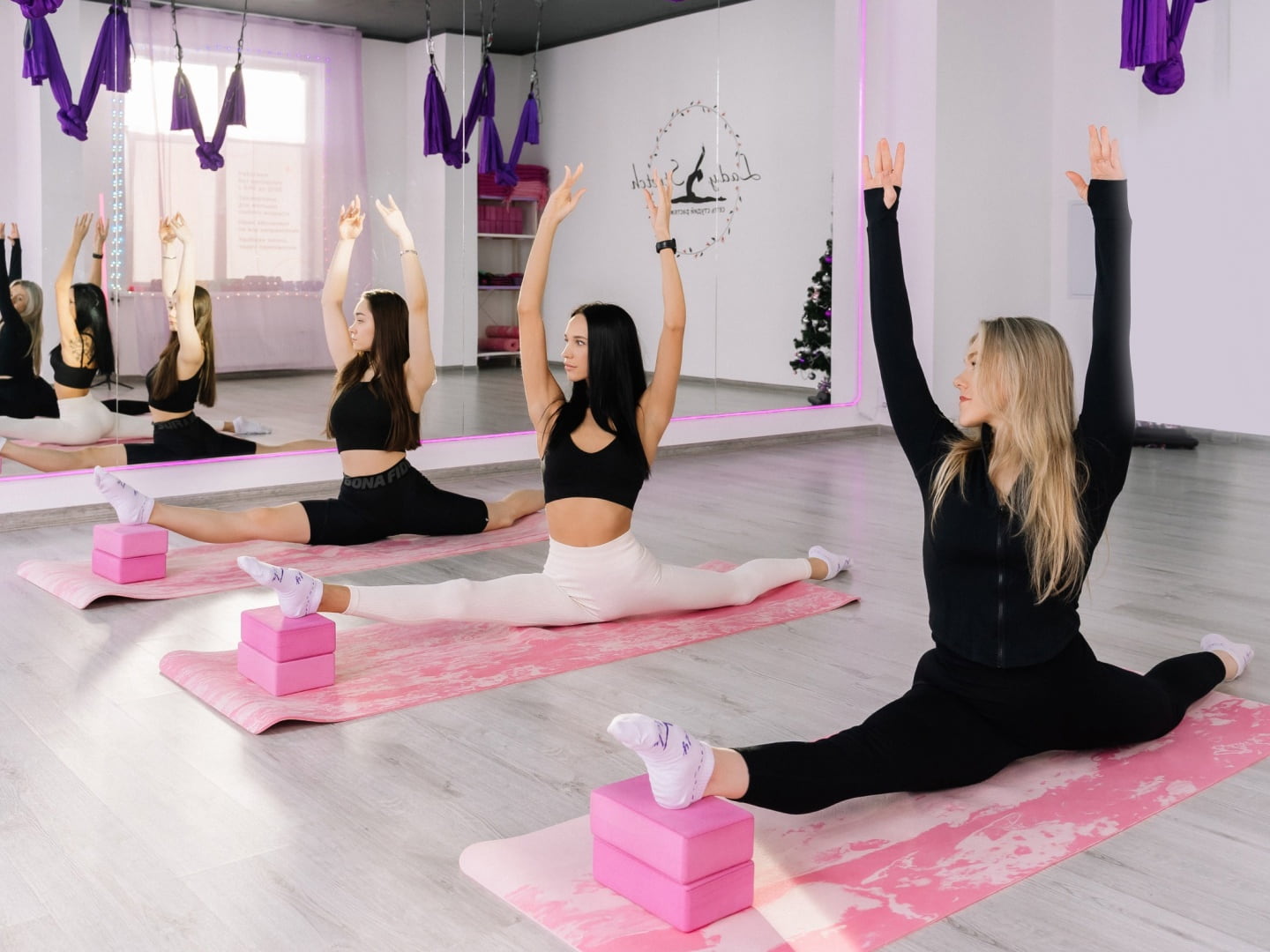
Explore simple ways to stay active, notice how your body moves, and enjoy unhurried outdoor experiences across New Zealand.
At Movementskeleton, we believe movement should feel natural, unhurried, and connected to the landscapes around you. Gentle activity invites you to notice how your body responds to each step, breath, and stretch.
Slow down and pay attention to sensations as you move. Awareness grows when you let go of rushing.
New Zealand trails, beaches, and parks offer peaceful settings that encourage relaxed, intentional movement.
Tune into signals your body sends. Gentle activity invites you to notice comfort, balance, and ease at your own pace.
Starting with small, consistent habits can help you stay attentive to how you move. These practices require no special equipment and fit naturally into daily life.
Take unhurried walks and notice the rhythm of your steps, the ground beneath you, and the air around you.
Pair slow breaths with gentle stretches to create a sense of calm and groundedness during activity.
Move through comfortable ranges of motion without strain, honouring what feels right for your body today.
Start with five minutes of gentle movement and gradually extend your sessions.
Observe how different environments influence your mood and physical sensations.
Pausing is part of the practice. Rest creates space for deeper awareness.
After each session, note one sensation or feeling that stood out to you.
From coastal paths to forest walkways, New Zealand offers countless spaces for unhurried outdoor activity. Explore settings that invite calm and connection.
Walk along shorelines where sea breezes and open horizons create a naturally soothing atmosphere.
Wander beneath native canopy where dappled light and earthy scents set a calm pace for walking.
City parks and reserves in Auckland and beyond provide accessible spots for daily gentle activity.
Body awareness is the practice of paying attention to physical sensations, posture, and breath without judgement. It deepens your connection to everyday movement.
Notice tension, ease, warmth, or coolness as you move through your day.
Shift posture or pace based on what your body communicates in the moment.
Build awareness gradually through consistent, gentle practice over time.
Acknowledge the effort your body makes during each simple activity.
Gentle activity does not require long sessions. Brief stretches or short walks at different times of day can help you stay aware of how your body feels.
Begin with a few minutes of stretching or a short walk before the day unfolds.
Step outside for fresh air and gentle movement during a break from daily tasks.
Close the day with slow stretches that help your body transition toward rest.
New Zealand seasons bring unique opportunities for outdoor gentle activity. Choose practices that align with the weather and your comfort.
Stroll through gardens and parks as new growth emerges, noticing colours and scents along the way.
Light tending of plants offers natural stretching and a connection to the changing season.
Walk during cooler hours along beaches or shaded paths for comfortable outdoor activity.
Spend quiet moments near lakes or coastlines, combining stillness with gentle movement.
Explore forest paths where fallen leaves create a soft, textured ground beneath your feet.
Practice slow stretches outdoors as temperatures cool and the air feels crisp.
On cooler days, enjoy unhurried movement indoors with attention to breath and posture.
Bundle warmly and take short walks in local parks when conditions feel comfortable.
Movement is not about performance. It is about arriving in your body, one gentle step at a time, surrounded by the beauty of the world around you.
Movementskeleton shares educational content about gentle activity and body awareness for people across New Zealand seeking a calmer relationship with movement.
Clear, accessible information about mindful movement practices.
Honouring individual pace, preferences, and personal boundaries.
Content shaped by New Zealand landscapes and outdoor culture.
The information provided on this website is intended for general informational and educational purposes only. It does not constitute professional medical advice and should not be considered a substitute for consultation with qualified professionals.
All content reflects general topics related to lifestyle, personal well-being, and everyday habits. Individual experiences may vary.
Before making any changes to your daily routine or lifestyle, it is recommended to consider your personal circumstances and, if necessary, seek assistance from a qualified specialist.
This website does not provide diagnosis, treatment, or personalized recommendations.
Some features may be limited when non-essential cookies are declined. You can review how we handle your data in our Privacy Policy.